
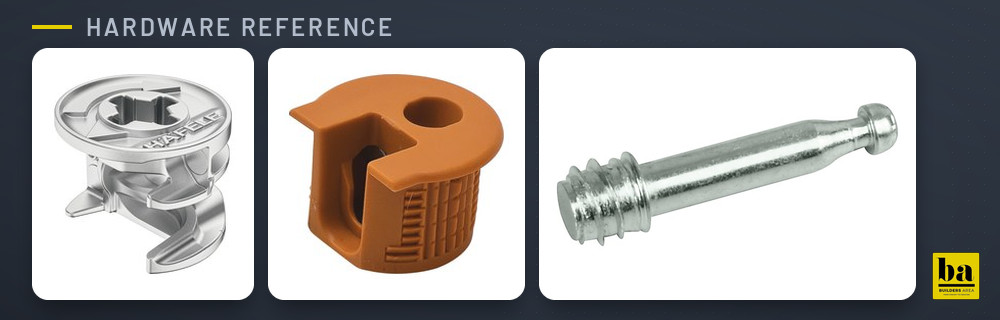
Hafele Furniture Connectors and Shelf Supports Explained: Minifix, Rafix, Dowels
Ordering Hafele connectors and shelf supports means choosing Minifix or Rafix, B 24 or B 34 and a 5 mm or 7 mm pin. See how the 2026 Hafele catalog defines them and which parts are ordered together, with examples from our catalog.
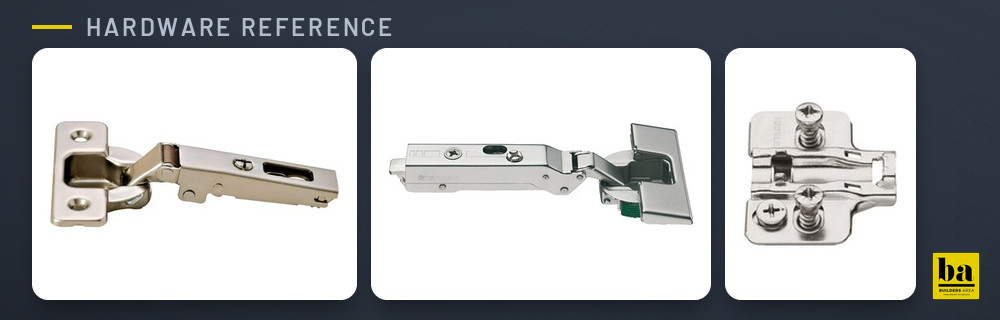
Concealed Cabinet Hinges Explained: Overlay, Inset, Opening Angles and Mounting Plates
Full overlay, half overlay or inset? This guide explains concealed cabinet hinge terms from Hafele's 2026 catalog: cup and tab, how the crank and mounting plate height set the overlay, opening angles such as 94, 110 and 165 degrees, and corner and glass door hinges.
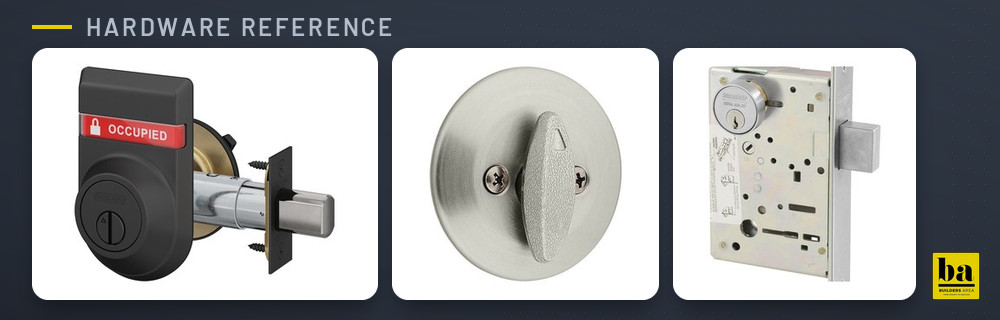
Deadbolts Explained: Single and Double Cylinder, Classroom, Thumbturn, Throw, Backset and Grades
Ordering a deadbolt? See what single cylinder, double cylinder, classroom, thumbturn and indicator deadbolts are, how mortise deadlocks differ, and the throw, backset and grades printed in Schlage, Sargent, Arrow, Kwikset and Medeco documents, with examples from our catalog.
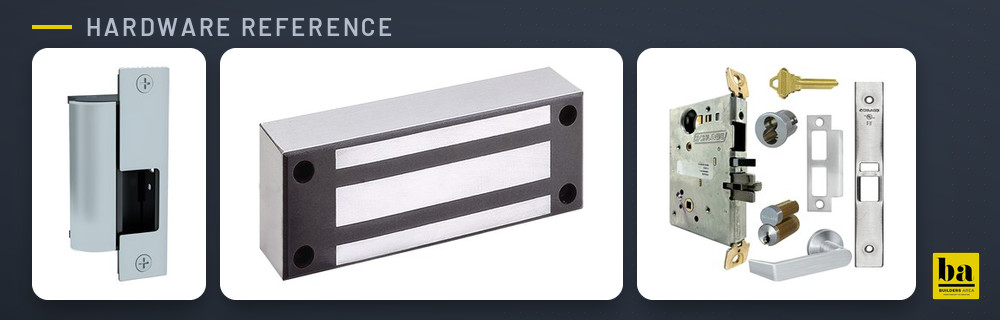
Electrified Door Hardware Explained: Fail Safe vs Fail Secure, Electric Strikes, Maglocks, Electrified Locks and Request to Exit
Ordering electrified hardware? What fail safe and fail secure mean, how Schlage, Von Duprin, Sargent, Corbin Russwin and HES mark them, and what electric strikes, maglocks, electrified locks, exit devices, request to exit switches and power supplies do, from manufacturer documents.
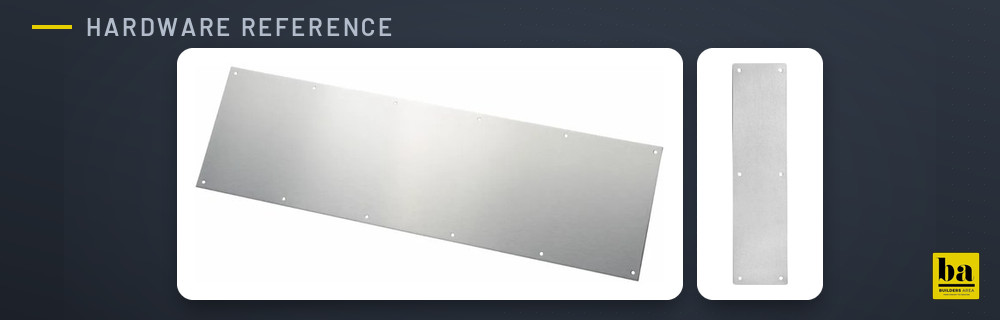
Push plates, pull plates and kick plates: sizes, materials and how to order them
Kick, mop and armor plate heights by brand, Rockwood's width rule, thicknesses from .038 to .125 inch, bevels, cutouts, and how Ives, Rockwood, Hager and Trimco numbers show the size and finish, all taken from the manufacturers' catalogs and cut sheets.
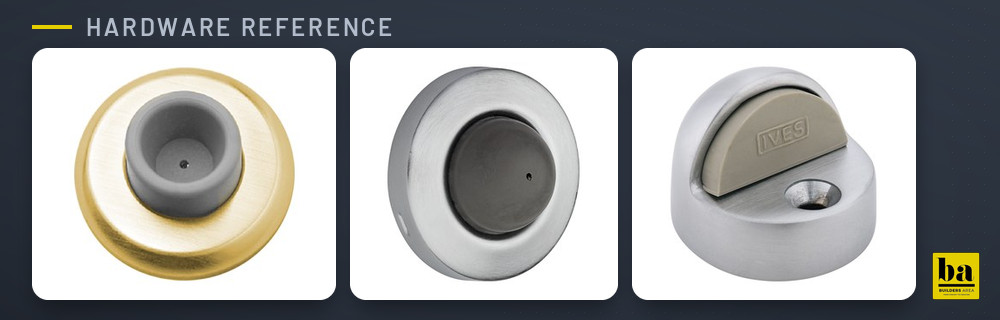
Door Stops and Holders Explained: Wall, Floor, Overhead and Electromagnetic
Convex or concave wall stop, low or high dome stop, overhead stop or electromagnetic holder? What the Ives, Rockwood, Glynn-Johnson and LCN catalogs say about each type, how sizes and clearances are chosen, and how to read our product names.
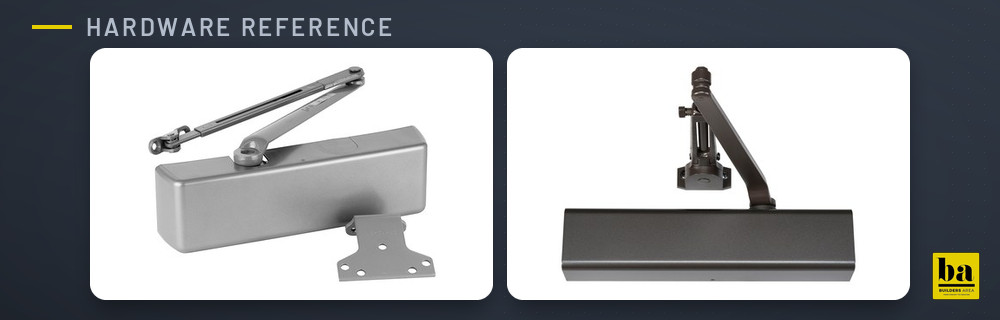
Door Closer Types and Sizes: Surface, Concealed Overhead and Floor Closers
Surface, concealed overhead or floor closer? This guide explains closer mountings, sizes 1 to 6, hold open, cushion stop and delayed action as the LCN, Norton and Rixson catalogs describe them, with examples from our catalog.
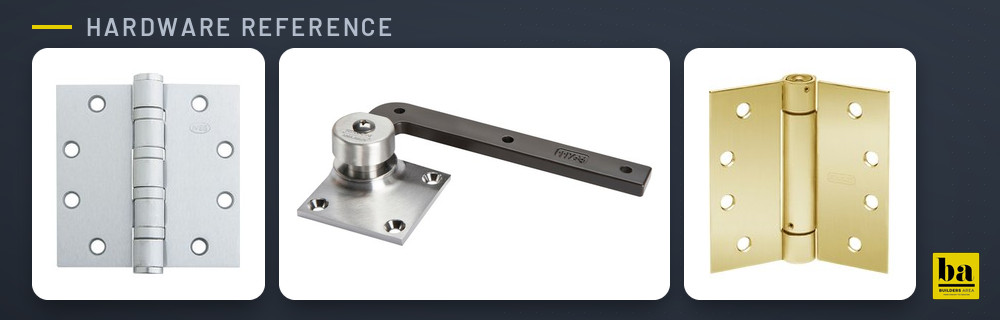
Door Hinge Types Explained: Butt, Continuous, Pivot, Swing Clear, Spring and Electric Hinges
Full mortise, half mortise and surface hinges, geared or pin and barrel continuous hinges, center hung or offset pivots, swing clear, spring and electrified hinges: what each type is in Hager, Ives, Select and Rixson documents, and how to read our hinge names.
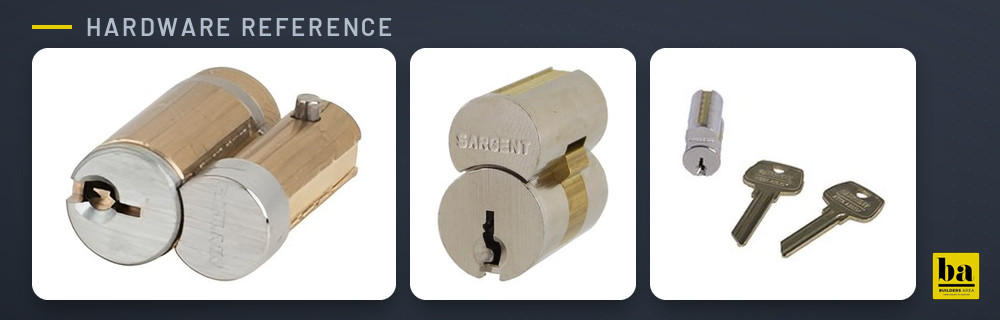
Interchangeable Cores: SFIC vs LFIC and How to Read Core and Cylinder Numbers
Ordering a core for an existing door? How BEST, Schlage and Sargent define SFIC and LFIC cores, how core and housing go together, what is ordered separately, and how to read core numbers such as 1C7A2, 6300LA15 and 23-030.
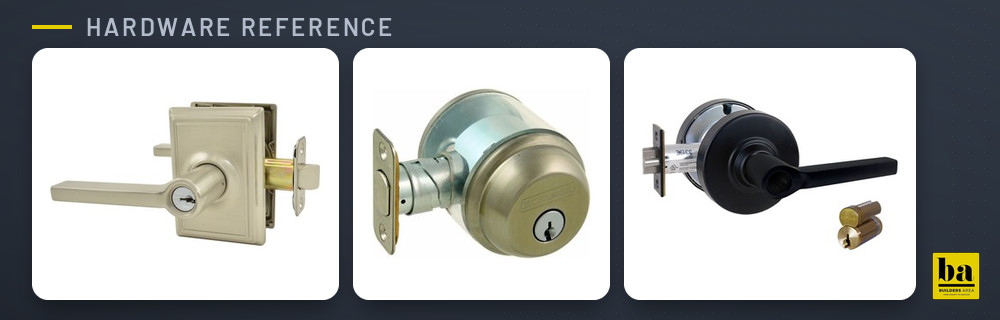
Schlage Lock Model Numbers Explained: Residential F and B Series vs Commercial ND, ALX and L Series
How to read a Schlage model number such as F51 LAT 619 ADD or ALX 53 P SAT 612: the function, cylinder, lever design, finish and trim codes of residential F Series and commercial ND, ALX, L and B Series locks.

